
When you hear the word latex, the last thing that probably comes to mind is “natural” or “organic.” In fact, the material is typically associated with synthetics and chemicals. But did you know that what we use to make "natural" latex really does come straight from nature?
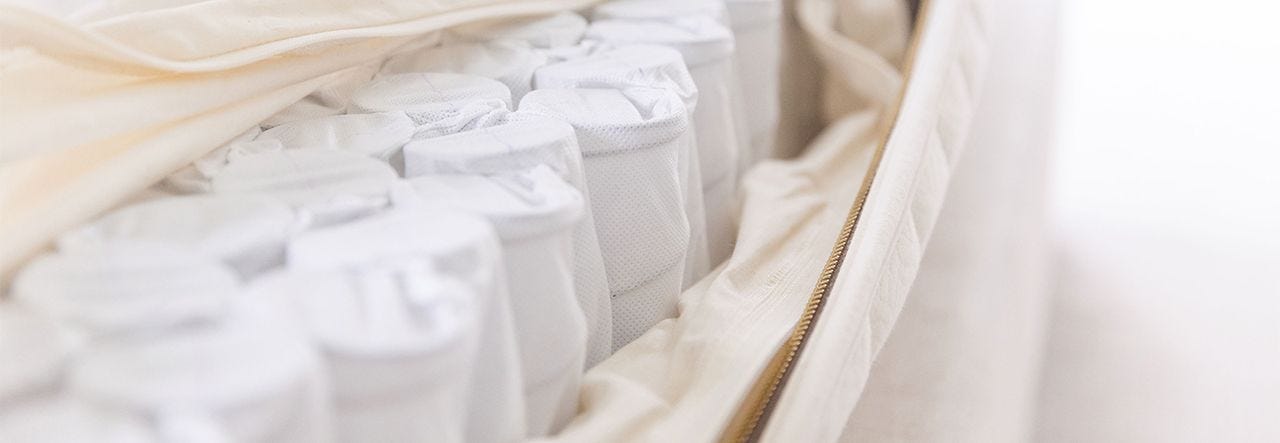
Latex is a great material to include in a mattress because of its ability to relieve pressure points. As a company that prides itself on using only GOTS certified organic or GOTS approved materials in its mattresses, we had to find a way to still bring pressure point relief without using polyurethane (PU) foam, aka memory foam. So what actually is GOTS approved latex and what are the benefits? Keep reading!
What is Organic Latex?
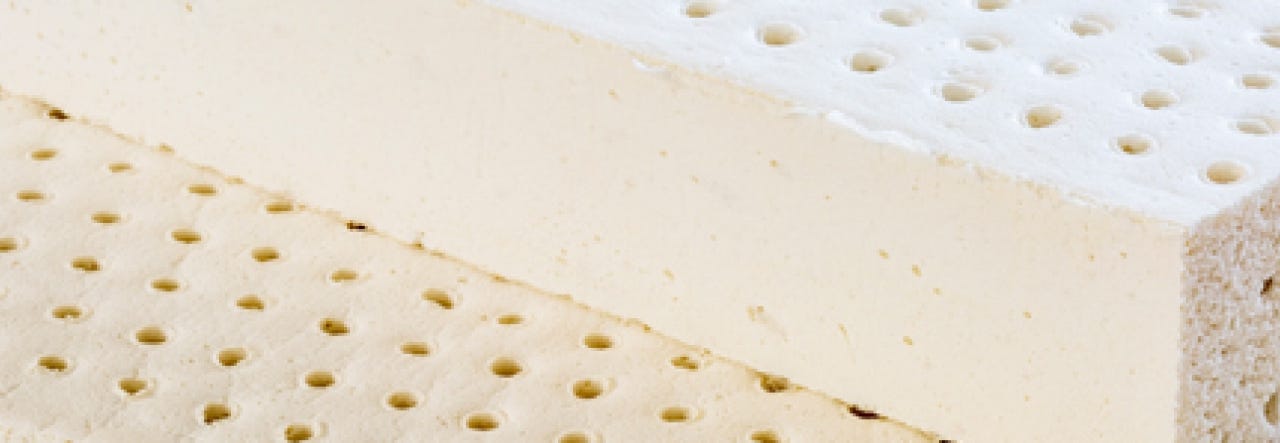
Most latex starts as the milky sap of a rubber tree. A typical queen size latex mattress takes approximately eight sap collectors (creating valuable local jobs) and 12 acres of rubber trees that, over the course of a year, will remove 143 tons of carbon dioxide from the environment. The process is very similar to tapping trees for maple syrup. The sap is then brought to a factory for processing. The liquid rubber tree sap is whipped and poured into big molds, almost like waffle molds, where it emerges as a durable, springy foam.
When "natural/organic latex" foam first became popular, there was very little oversight, leading some manufacturers to mix synthetic with natural latex yet still label it as "natural." To establish transparency and integrity, third-party standards, such as the Global Organic Latex Standard (GOLS) and the Forest Stewardship Council® (FSC), were developed. These standards, approved by GOTS for certified organic mattresses, ensure that approximately 95% of the latex in certified products originates from rubber trees.
The remaining 5% accounts for essential processing additives, which are also frequently found in everyday items such as balloons and rubber bands. In fact, these additives are crucial in maintaining the product's durability and function and are far more preferable to petrochemical-based PU foam. The formulas for these additives are continually improving thanks to ongoing research. Naturepedic prides itself on sourcing latex from reputable suppliers leading the way for the most health- and eco-friendly formulations.
We further validate our latex's safety by adhering to the Oeko-Tex Standard 100 Class 1 or similar. This indicates that our latex has undergone laboratory tests for harmful substances and the finished foam is considered harmless to human health per the standard. Based on the test results for the finished foam, the 5% additives, while necessary for production, do not compromise the safety of the finished product. In summary, our latex is made from roughly 95% natural/organic rubber sap, meets Oeko-Tex Standard 100 Class 1, is GOLS/FSC certified, and is approved by GOTS for use in certified organic mattresses. This is the most comprehensive standard available in the marketplace.
How Does Synthetic Latex Differ
While organic latex starts from the rubber tree milk, synthetic latex does not. Synthetic latex is made from petrochemicals rather than rubber tree sap. When making synthetic latex, farm more chemicals are added to the material.
When to Use/ Not Use Organic Latex?
Due to the strength and springiness of latex, we use it in a lot of our adult products. Between that and the pressure-point-relieving ability, latex is an obvious material to include in mattresses and toppers as an alternative to memory foam.
While latex has many benefits, in rare instances, it may be allergenic. This is why, as a precaution, you won’t find any form of latex in our baby or kids products. We also offer latex-free options for our adult mattresses if you have any allergy concerns.